

How Calvary Health Care is improving pain assessment for residents living with dementia
With over 130 years of service across Australia, Calvary Health Care adopted PainChek® to enhance the accuracy and consistency of pain assessment — particularly for residents who cannot always express their discomfort.
Speak with our team
Discover how PainChek® can support better individualised care outcomes for your residents.
CASE STUDY · AGED CARE
How Southern Cross Care (SA, NT & VIC) Inc improved pain outcomes and staff confidence with PainChek®
WORLD ALZHEIMER'S MONTH 2026
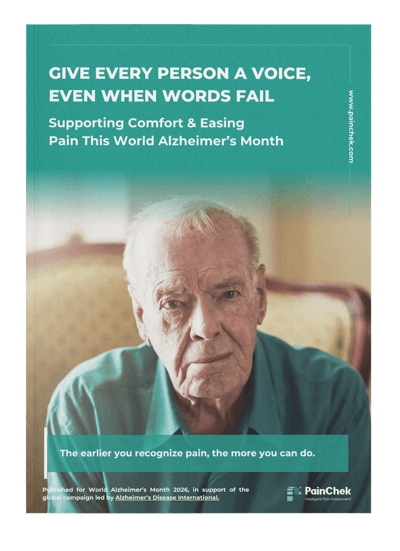
Give Every Person a Voice, Even When Words Fail
A free guide to recognizing pain when a person can no longer tell you about it.
Give Every Person a Voice, Even When Words Fail
When pain cannot be voiced in words, it is communicated in other ways. These changes are commonly observed in people living with dementia.
This guide is for anyone affected by dementia; whether you’re a care professional or your loved one is currently navigating their own dementia journey. It draws on guidance and research from Australia, the United Kingdom, and the United States.
It explores how pain can present in people living with dementia and how structured observational pain assessment supports more informed, personalized care.
Download Here
Practical Care Guide
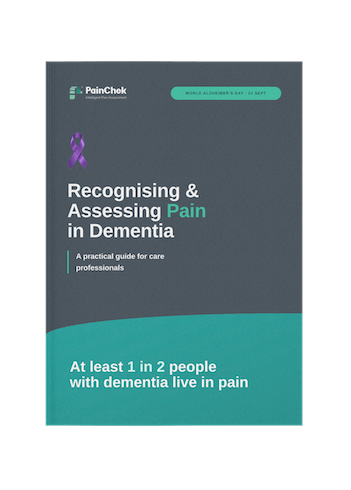
Recognising & Assessing Pain in Dementia: A Practical Guide for Care Professionals
A practical guide for recognizing and assessing pain in people living with dementia, including a non-verbal pain checklist to help identify signs across facial expression, movement, voice, behavior and routine.
The guide also outlines the four pain-management domains and the importance of recording these consistently.
Quick Reference Sheet
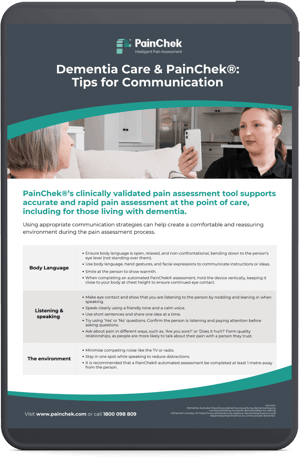
Dementia Care Tips for Communication
A quick reference sheet of communication strategies to help create a comfortable and reassuring environment during pain assessments using PainChek®.
Where to Find Additional Support
Connect with leading international bodies dedicated to research, advocacy, early diagnosis, and family support
Where PainChek Fits
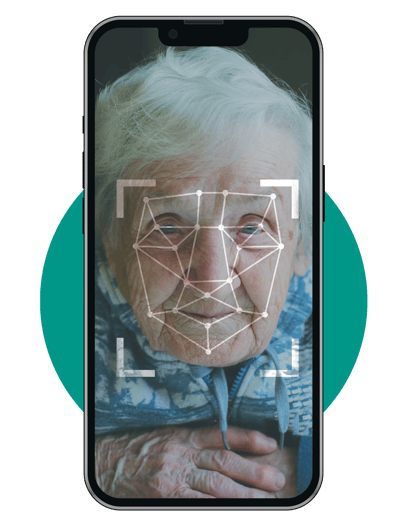
PainChek® exists to give a voice to those who cannot always put their pain into words for their care team. It is an evidence-based assessment tool that works on smart devices.
It combines published research with clinically backed insights, helping care teams recognize the subtle signs of pain, monitor changes over time, and make informed decisions that reflect each resident’s individual needs. For residents, that means greater comfort and dignity.
For loved ones, it means peace of mind.
FAQs
How Does PainChek® Work?
Who is PainChek® for?
Can PainChek® be used for residents who can't communicate their pain?
Yes. PainChek® is designed to support pain assessment for residents who can't reliably self-report, including people living with dementia. It combines facial micro-expression analysis with caregiver observations to produce an objective pain score, helping teams determine whether pain may be contributing to a resident's distress.
Can PainChek® be used at home?
What evidence is available that PainChek® works in long-term care?
PainChek® is FDA De Novo-granted (DEN240073) and was validated through a pivotal clinical study in US skilled nursing facilities. It has also been used in clinical practice across Australia, New Zealand, the UK, and Canada since 2017. More than 2,000 organisations have completed over 20 million assessments worldwide.
See PainChek® working in real organisations
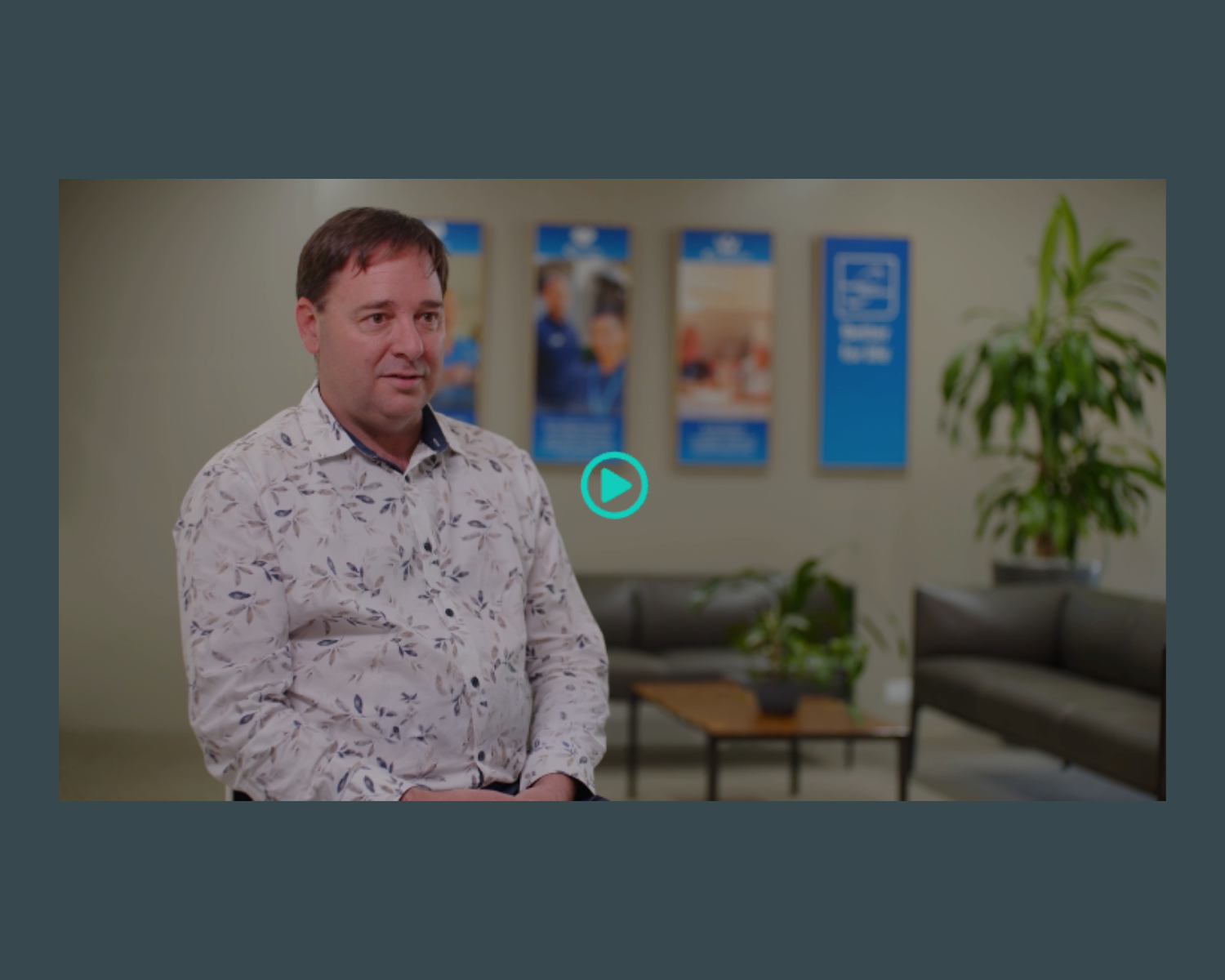
CASE STUDY · AGED CARE · AUSTRALIA
How Southern Cross Care (SA, NT & VIC) Inc improved pain outcomes and staff confidence with PainChek®
Southern Cross Care (SA, NT & VIC) Inc began its journey with PainChek® after recognising a growing challenge: supporting residents with complex needs, including many living with dementia.

CASE STUDY · AGED CARE · AUSTRALIA
Transforming pain management with PainChek® & BESTMED at Synovum Care
As part of their vision to provide best-practice solutions to manage their residents' complex needs, the Synovum Care team introduced two cutting-edge technology platforms.

CASE STUDY · AGED CARE · UK
Using PainChek® to keep a palliative resident pain-free in her final days
A 97-year-old palliative resident rarely communicated her pain, so her care team used PainChek® for daily assessments, keeping her comfortable and pain-free in her final days.
References
- Australian Government Department of Health, Disability and Ageing. (2025). Strengthened Aged Care Quality Standards – August 2025. https://www.health.gov.au/sites/default/files/2025-08/strengthened-aged-care-quality-standards-august-2025.pdf
- Australian Government Department of Health. (2021). The National Strategic Action Plan for Pain Management. https://www.health.gov.au/resources/publications/the-national-strategic-action-plan-for-pain-management
-
Australian Government Department of Health, Disability and Ageing. (2025). Audit Evidence Collection Tool, May 2025. https://www.agedcarequality.gov.au/resource-library/audit-evidence-collection-tool-aect-renewal

Ready to improve pain assessment in your facility?
Calvary Health Care's experience demonstrates how PainChek® supports consistent, evidence-based pain assessment for residents living with dementia—improving clinical confidence and care outcomes.